

Watch & Capture the 2026 Perseids meteor shower
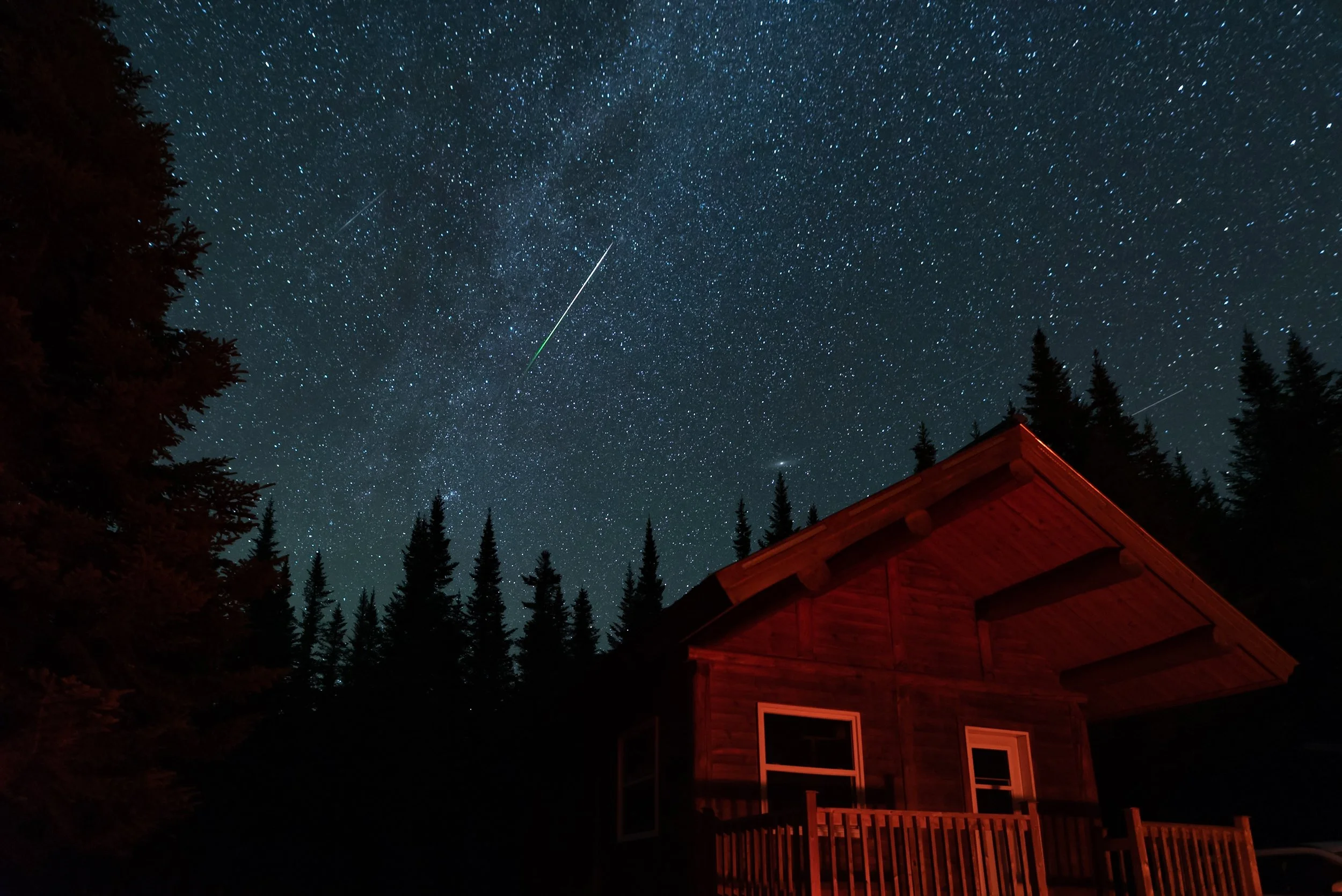
✨ Why the Perseids?
Every summer, something ancient repeats itself: Earth crosses paths with the dust trail of comet Swift-Tuttle, and the sky lights up. 🌌
The Perseids are back in August 2026, and this year they're getting something they haven't had in a while: a truly dark sky to shine in. Whether it's your first time watching or your yearly ritual, here's everything you need to catch them properly.
📅 When is the best time to watch the Perseids in 2026?
The Perseids are active for weeks before and after the peak, with the traditional maximum expected between 3:30pm on August 12 and 10am on August 13 (EDT), so your best viewing windows are the nights of August 11–12 and 12–13.
Here's the part that makes 2026 different: the moon is new on August 12. There's no moonlight to wash out the fainter meteors this year. It's the darkest sky conditions you'll get all year, whether you're watching from the city or the countryside.
But don't put all your hopes on one single night. The Perseids ramp up for about two weeks before the peak and stay active for about a week after, so the nights of August 7 to 15 are all worth going out for, not just the 11th and 12th.
That's exactly why I built six outings across that whole stretch this year instead of just one.
Zenderfull Perseids events 2026
Book 2 of them and the second (lower-priced) one is 15% off.
🕐 What time should I go out?
The best window is between 10:30pm and 4am, but the real show starts after midnight, once the sky is at its darkest and the constellation Perseus has climbed higher.
👉 Tip: give your eyes at least 20 minutes to adjust to the dark. Skip the phone and any white light.
🧭 Where to look in the sky?
The Perseids appear to radiate from the constellation Perseus, near the northeastern part of the sky.
But don't worry, you don’t need to find it! Meteors can streak across the entire sky. Just find a dark, wide-open area, lie back, and look up. ✨
🌆 Can I see the Perseids from Montreal?
A few, yes, but light pollution will wash out most of the show. From a backyard in the city, you might catch 5 to 10 meteors an hour. Better than nothing, but if you can get out of town, do.
That's exactly what our outings handle for you. We drive to the darkest sky we can find on any given night, so you don't have to figure it out yourself.
🌲 Best places to watch near Montreal
Here are some of my favourite dark-sky friendly spots within 1.5–2 hours of the city:
Parc national du Mont-Tremblant (Secteur Pimbina or La Diable)
Parc national d’Oka (especially near the beach at dusk)
Mont Mégantic / ASTROLab (one of the darkest spots in Québec)
Val-David, Sainte-Agathe, or Weir backroads
📍 Need help picking a spot? I always recommend checking light pollution maps like lightpollutionmap.info before heading out.
🔧 What to bring?
Blanket or reclining chair
Warm clothes (yes, even in August)
Thermos with tea or hot chocolate
Bug spray
Patience
Someone you love to share the magic with 💫
📸 Want to capture the moment?
You don’t need fancy gear — even your smartphone can work! Here’s a quick cheat sheet:
With your phone:
Use Night Mode
Set on a tripod or still surface
Avoid city lights
Point toward a wide portion of the sky
With a camera:
Use a wide-angle lens
Settings: ISO 1600–3200, shutter 10–20s, aperture f/2.8–f/4
Manual focus to infinity
Take many shots — you might catch a meteor in one!
📥 Want my full PDF cheat sheet?
🌍 What are the Perseids made of?
They’re tiny pieces of Comet Swift-Tuttle, burning up as they enter our atmosphere at over 200,000 km/h.
✨ Most are the size of a grain of sand, but their speed makes them shine bright — sometimes leaving behind long, glowing trails.
Fun fact: green and red colors are common due to the interaction of the meteoroids with atmospheric oxygen and nitrogen. They’re not just white streaks — they’re chemical fireworks!
🔥 Bonus: What about other showers?
You might hear media mention the Southern Delta Aquariids or Alpha Capricornids — but don’t worry too much about them.
The Southern Delta Aquariids peak in late July but are mostly visible from the Southern Hemisphere
The Alpha Capricornids are slower and dimmer, with fewer meteors overall
The Perseids remain the main event — bright, active, and visible from Québec!
If you're curious what else is worth planning around, my personal favorite is actually the Geminids in December. It's colder, sure, but the rates are even higher than the Perseids, and the meteors tend to be slower, which makes them easier to catch on camera. I run outings for those too once winter comes around.
🌌 Final Thoughts
Sometimes all it takes to feel better is to lie under the sky and let your mind drift with the meteors.
Don’t miss this chance to look up!
See you under the stars 🌠